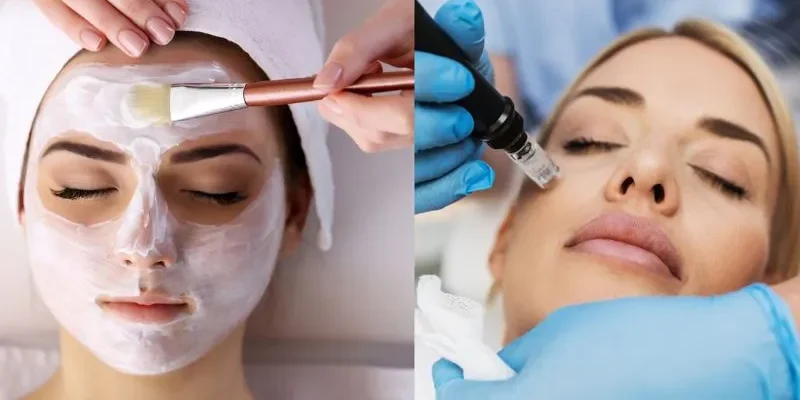
If your skin feels uneven, dull, or marked by old breakouts, choosing the right treatment can feel confusing. In 2026, people are more informed and more cautious. Whether you are considering microneedling or a chemical peel in NYC, the right choice depends on how your skin responds, not on trends.
When comparing microneedling and chemical peels, it helps to understand what each treatment actually does to the skin. One focuses on stimulating collagen from within, while the other improves tone and clarity at the surface. Both can deliver visible results when selected with purpose and care.
For clients exploring professional skin treatments in neighborhoods like Forest Hills and nearby areas, the decision should always begin with skin analysis. A customized approach, especially when considering a chemical peel in Queens, ensures your treatment supports long-term skin health rather than short-term fixes.
How microneedling works and who benefits most?
Microneedling, or Collagen Induction Therapy (CIT), is a mechanical process. By using medical-grade, sterile needles to create thousands of controlled micro-injuries, we trigger the body’s natural wound-healing cascade.
- Controlled Micro-injuries: These tiny channels signal the brain to produce fresh collagen and elastin.
- Collagen Stimulation: Over the following weeks, the skin becomes denser and more resilient.
- Gradual Improvement: Unlike a “quick fix,” the results of microneedling build over 3 to 6 months.
In the fast-paced NYC environment, microneedling has become a staple because of its versatility. It is arguably the most effective non-laser treatment for atrophic acne scars and enlarged pores. Because it doesn’t use heat or harsh acids, it is exceptionally safe for all Fitzpatrick skin types, provided the needle depth is calibrated correctly.
How do chemical peels in NYC work, and when are they the more intelligent choice?
A chemical peel is a skin treatment done by professionals. It exfoliates the outer layers of the skin, removing damaged cells and helping fresh, healthy skin come through. This non-invasive procedure helps with acne, fine lines, and uneven skin tone. The treatment depth and recovery time depend on the type of peel used.
- Exfoliation at Depth: Modern 2026 formulations, like BioRePeel or ceramide-infused peels, allow for deep correction with surprisingly little visible shedding.
- Faster Tone Correction: Peels are unparalleled for lifting surface pigment and treating active acne.
If hyperpigmentation, sun damage, or an uneven skin tone is your main concern, consider starting with a chemical peel in Queens. It clears surface debris, allowing your at-home skincare products to penetrate deeper and work more effectively.
Microneedling vs. chemical peels: A side-by-side comparison
Acne Scars:
Acne scar treatment depends on scar type and depth. Microneedling offers better long-term improvement for indented scars by stimulating collagen in the dermis, with gradual results over multiple sessions. In NYC, chemical peels mainly target post-acne pigmentation and mild texture problems. Deeper peels can also reduce shallow scars, but they require a longer recovery period.
Downtime and recovery:
Both treatments involve some recovery, but chemical peels offer a wider range of downtime options depending on their depth. Light chemical peels might cause mild redness and let you get back to daily activities quickly. In contrast, medium to deeper peels need a few days of visible peeling as damaged skin sheds. This short recovery time often results in quicker skin resurfacing and tone improvement. So, chemical peels are a great option when you can plan for some downtime.
Hyperpigmentation:
For hyperpigmentation, chemical peels target melanin-rich surface cells to improve brightness and overall tone. Glycolic, lactic, salicylic, and TCA peels help reduce sunspots, melasma, and post-inflammatory hyperpigmentation. You can often see results after one to three sessions. A professionally performed chemical peel in NYC ensures proper depth selection and safer, more even results across different skin tones.
Texture improvement:
Chemical peels enhance skin texture by smoothing rough and flaky areas. They help unclog pores and refresh the surface, making them perfect for tackling dullness and uneven skin tone. Microneedling works deeper by stimulating collagen and elastin, helping improve pitted acne scars, enlarged pores, and crepey texture. With consistent sessions, microneedling delivers stronger long-term structural refinement.
Wrinkle Reduction:
For wrinkle reduction, microneedling and chemical peels address aging in different ways. Microneedling improves deeper wrinkles and overall firmness by boosting collagen production. Chemical peels work best on early fine lines and surface aging caused by sun damage. In some cases, combining both treatments helps target multiple layers of skin aging more effectively.
Which treatment is right for your skin in 2026?
Google can give you a general idea, but it cannot analyze the thickness of your dermis or the activity of your melanocytes. The most successful skin transformations in 2026 happen through combination therapy. For example, treating pigmentation with a peel, then following up with microneedling to improve the underlying texture.
Combination treatments may be recommended in some cases, but only when timed correctly and customized carefully. Professional experience matters more than devices, social media trends, or home treatments. When planning a Chemical Peel in NYC, licensed expertise ensures the peel depth, formulation, and schedule support your long-term skin health rather than short-term results.
Wrapping Up
There is no universal best treatment. Microneedling and chemical peel in NYC both work when chosen correctly. Results depend on skin type, concern, and professional execution. A consultation prevents wasted money, unnecessary irritation, and long-term skin damage. Informed choices always lead to better skin outcomes.
Ready to stop guessing? At Karmina Beauty Clinic, we create personalized skin plans instead of generic packages, helping you achieve real, long-term results. Book a consultation to receive a clear 2026 skin health roadmap tailored to your goals and lifestyle. Call (917) 825-7533 or email info@karminabeautyclinic.com to get started. Flexible payments are available through Cherry, with approval up to $10,000 for beauty treatments.
FAQs
- Is microneedling or a chemical peel better for acne scars?
For pitted or depressed scars (texture), microneedling is superior because it stimulates the collagen needed to “fill” the indentations. Peels are better for the flat, dark marks left behind by acne.
- Which treatment works faster for pigmentation?
Chemical peels generally work faster on surface pigmentation because they physically remove the pigmented cells. Microneedling helps disperse deep pigment but takes longer to show results.
- Can sensitive skin handle chemical peels?
Yes. Modern “No-Peel” peels and Lactic acid formulas hydrate and strengthen sensitive skin. They do this without the irritation often caused by traditional peels.
- Does microneedling help with fine lines?
Absolutely. It is one of the most effective ways to “bank” collagen and naturally smooth out fine lines by thickening the skin’s foundation.
- How often should these treatments be done?
Microneedling is usually done every 4–6 weeks. Light chemical peels can be performed every 3–4 weeks, depending on skin tolerance.
- Is there downtime after a chemical peel?
It depends on the depth. “Glow” peels have zero downtime, while medium-depth peels involve 3–7 days of visible skin shedding.
- Can microneedling and chemical peels be combined?
Yes, and often they should be. However, they are rarely done on the same day. Usually, we space them 2 weeks apart to maximize both surface and deep-tissue repair.
- How do I choose the right treatment in NYC?
Schedule a professional skin analysis to identify whether your concerns are surface or deep. At Karmina Beauty Clinic, call (917) 825-7533 to receive expert guidance tailored to your skin.