
Regenerative skincare has shifted from a niche trend to a mainstream clinical conversation. Three treatments are now leading that conversation: PRP skin treatment, exosome skin therapy, and Salmon DNA Skin Booster (also known as PDRN skin rejuvenation). Each uses a different biological mechanism to prompt the skin to repair, renew, and rebuild itself. Understanding how they differ is the first step to choosing wisely.
This guide breaks down all three in plain language, backed by real science and clinical data. Whether you are dealing with fine lines, dull texture, post-procedure redness, or chronic dehydration, the right best skin booster treatment depends entirely on your skin’s current state and your goals – not just what is trending.
Understanding Regenerative Skin Boosters
The shift toward “biostimulation” means we are now using the body’s own resources or advanced biotechnology to trick skin cells into acting younger. According to recent market data, the global regenerative aesthetics market is projected to grow by approximately 14% annually through 2030, reflecting a massive surge in demand for non-surgical cellular therapies.
What is PRP Skin Treatment?
PRP skin treatment, often called the “vampire facial,” uses your own blood. A professional spins your blood in a centrifuge to concentrate the platelets. These platelets release growth factors that trigger collagen production. Since it uses your own biology, it is highly biocompatible and reduces the risk of allergic reactions.
What is Exosome Skin Therapy?
Exosome skin therapy represents the next frontier. Exosomes are tiny extracellular vesicles that act as the “postal service” of the cell, carrying proteins, lipids, and RNA. Unlike PRP, which depends on the health of your own blood, exosomes are often derived from lab-purified sources, providing a highly concentrated and consistent signal to repair damaged tissue.
What is Salmon DNA Skin Booster?
The Salmon DNA Skin Booster, scientifically known as PDRN skin rejuvenation, utilizes DNA fragments extracted from salmon sperm. This may sound unusual, but salmon DNA is incredibly similar to human DNA. When injected, it works as a building block for cell repair, significantly boosting hydration and anti-inflammatory responses. This is currently one of the best skin booster treatment options for those with sensitive or chronically dry skin.
Comparing the Contenders: PRP vs. Exosomes vs. Salmon DNA
To help you decide which treatment fits your goals, let’s look at how these three powerhouses stack up against each other in terms of recovery, results, and biological action.
| Feature | PRP Treatment | Exosome Therapy | Salmon DNA (PDRN) |
| Source | Patient’s own blood | Synthetic or donor-derived | Salmon DNA fragments |
| Primary Goal | General rejuvenation | Intense cellular repair | Hydration & DNA repair |
| Recovery Time | 24–48 hours | 12–24 hours | Minimal (under 12 hours) |
| Best For | Scarring, early aging, hair loss | Advanced anti-aging, glow, tone | Sensitive, inflamed, dry skin |
| Frequency | Every 4–6 weeks | Every 3–6 months | Every 2–4 weeks initially |
| Result Timeline | 4–8 weeks | Days to 2 weeks | 4–6 weeks cumulative |
How to Choose the Right Skin Booster Treatment for You
Think of it this way:
Choose PRP skin treatment if you want a fully natural treatment that uses your own biology. Best for scarring, early aging, and patients who want an autologous approach with no external biologics.
Choose exosome skin therapy if you want the most advanced cellular communication technology available, maximum brightness, or rapid post-procedure recovery. Best for those targeting significant dullness or texture issues.
Choose Salmon DNA Skin Booster (PDRN) if your skin is sensitive, dehydrated, inflamed, or in recovery mode. Best for patients who want gentle but effective regeneration and improved skin resilience over time.
Use a combination protocol if your skin has several issues, like sensitivity and visible aging. It’s also great if you’re recovering from a procedure and want to heal while boosting collagen.
Why Salmon DNA Skin Booster is Dominating in 2026
While PRP and Exosomes are powerful, the Salmon DNA has gained massive popularity for its specific ability to heal the “skin barrier.” Research indicates that PDRN can increase collagen synthesis by up to 30% in treated areas, making it a staple for skin rejuvenation in Forest Hills NYC.
Key Benefits of PDRN Skin Rejuvenation:
- DNA Repair: It helps fix damage caused by UV rays and pollution at a molecular level.
- Rapid Healing: It accelerates the wound-healing process, making it ideal after laser treatments.
- Intense Hydration: It holds water within the dermis more effectively than many traditional boosters.
- Anti-Inflammatory: It reduces redness and calms reactive skin types.
PRP vs Salmon DNA skin booster is a common comparison many patients discuss when choosing advanced skin rejuvenation treatments. Many patients prefer Salmon DNA over PRP. This is because Salmon DNA doesn’t need a blood draw. It also gives quicker “glow” results due to its high polynucleotide content. However, when looking at PRP vs Exosomes for skin, those with deep scarring often prefer Exosomes for their potent signaling capabilities.
What to Expect During and After Treatment
Most skin booster sessions are relatively quick, taking between 30 to 60 minutes. Because these are “boosters” rather than “fillers,” they do not change your face shape. Instead, they improve the quality of the “canvas.”
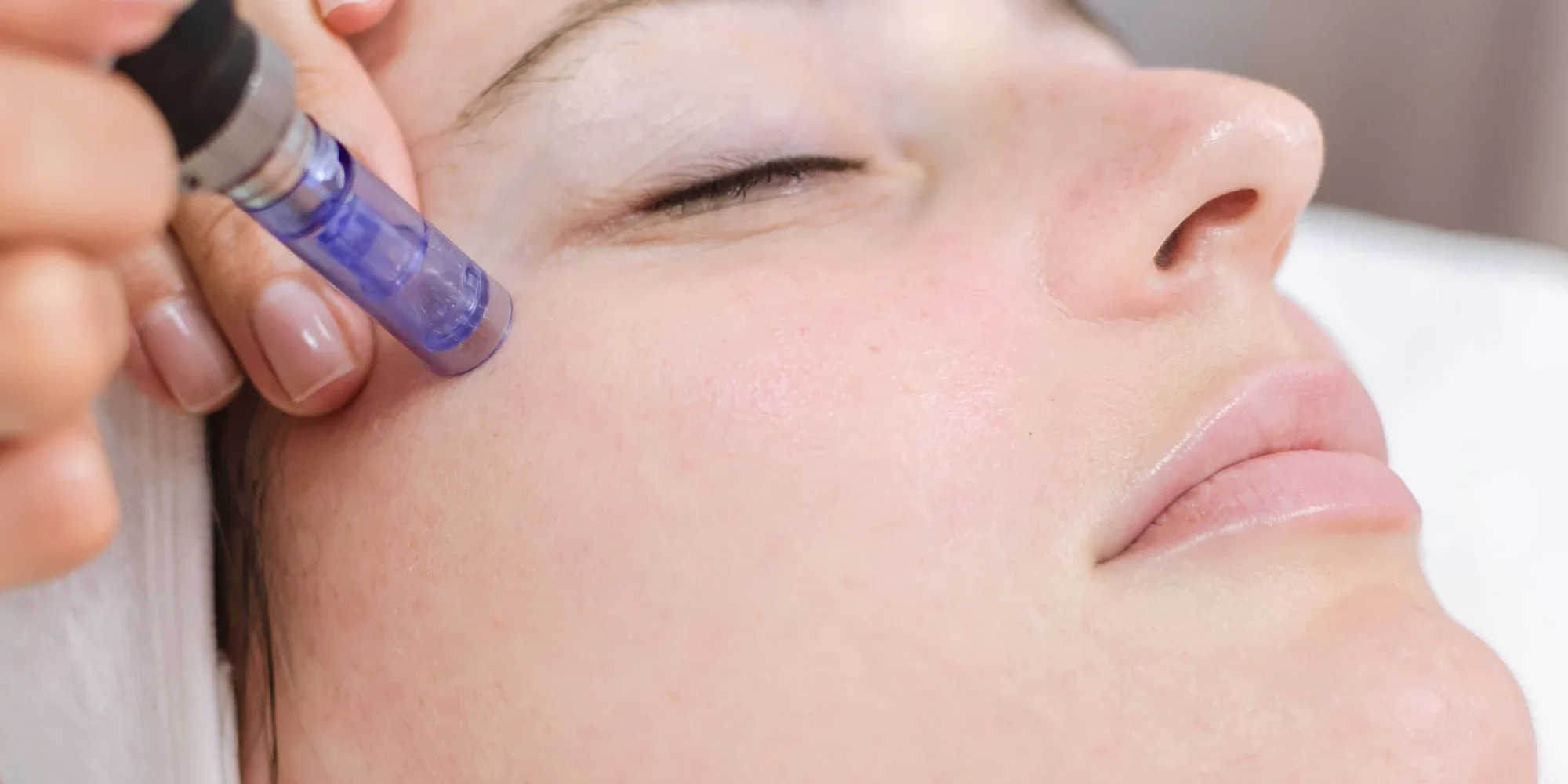
For PDRN skin rejuvenation, you may see tiny bumps at the injection site that look like small bee stings. These typically disappear within a few hours as the DNA fragments absorb into your tissue. For PRP, you might experience slight bruising or swelling from the injection process. Exosomes are often applied via microneedling or tiny injections, resulting in a slightly flushed appearance for a day.
Are you ready to revitalize your complexion with the latest in regenerative science? Explore our Salmon DNA treatments or book a consultation today to find your perfect match.
Conclusion
The evolution of PRP vs Exosomes for skin and the rise of the Salmon DNA Skin Booster have given us more tools than ever to fight aging. By focusing on cellular health rather than just surface-level fixes, you can achieve a glow that is both natural and long-lasting. Whether you opt for the localized healing of PRP, the high-tech signaling of Exosomes, or the deep hydration of PDRN, the future of your skin looks bright.
If you are in the New York area, visit us for the premier skin rejuvenation in Forest Hills NYC experience. At Karmina Beauty Clinic, our experts will help you navigate these options to ensure your skin receives exactly what it needs to thrive in 2026. Contact us now to schedule your skin analysis.
Frequently Asked Questions
1. Is Salmon DNA Skin Booster better than Botox?
These treatments serve different purposes. Botox relaxes muscles to prevent expression lines, while a Salmon DNA skin booster improves the actual health and thickness of the skin tissue. In 2026, many patients will use both to achieve a smooth, hydrated look.
2. How many sessions of PDRN skin rejuvenation do I need?
For optimal results, most specialists recommend an initial cycle of 3 to 4 sessions spaced about 3 weeks apart. Maintenance is typically done every 6 months to keep the skin’s DNA repair mechanisms active.
3. Can I combine PRP vs Exosomes for skin in one session?
Yes, this is often called “Dual-Regen” therapy. Using the scaffold of PRP with the concentrated signals of Exosome skin therapy can accelerate results for patients with significant sun damage or aging concerns.
4. Are there any side effects to the Salmon DNA Skin Booster?
Side effects are minimal because PDRN is highly biocompatible. Some patients may experience temporary redness, swelling, or tiny pinprick marks at the injection site, which usually resolve within 24 hours.
5. Which is the best skin booster treatment for sensitive skin?
Salmon DNA is generally considered the best for sensitive skin. Its inherent anti-inflammatory properties help to calm the skin while strengthening the barrier, unlike some aggressive peels or lasers.
